
← Back to Best Microphones for Podcasting
Blue Yeti vs Shure MV7+: Head-to-Head Comparison
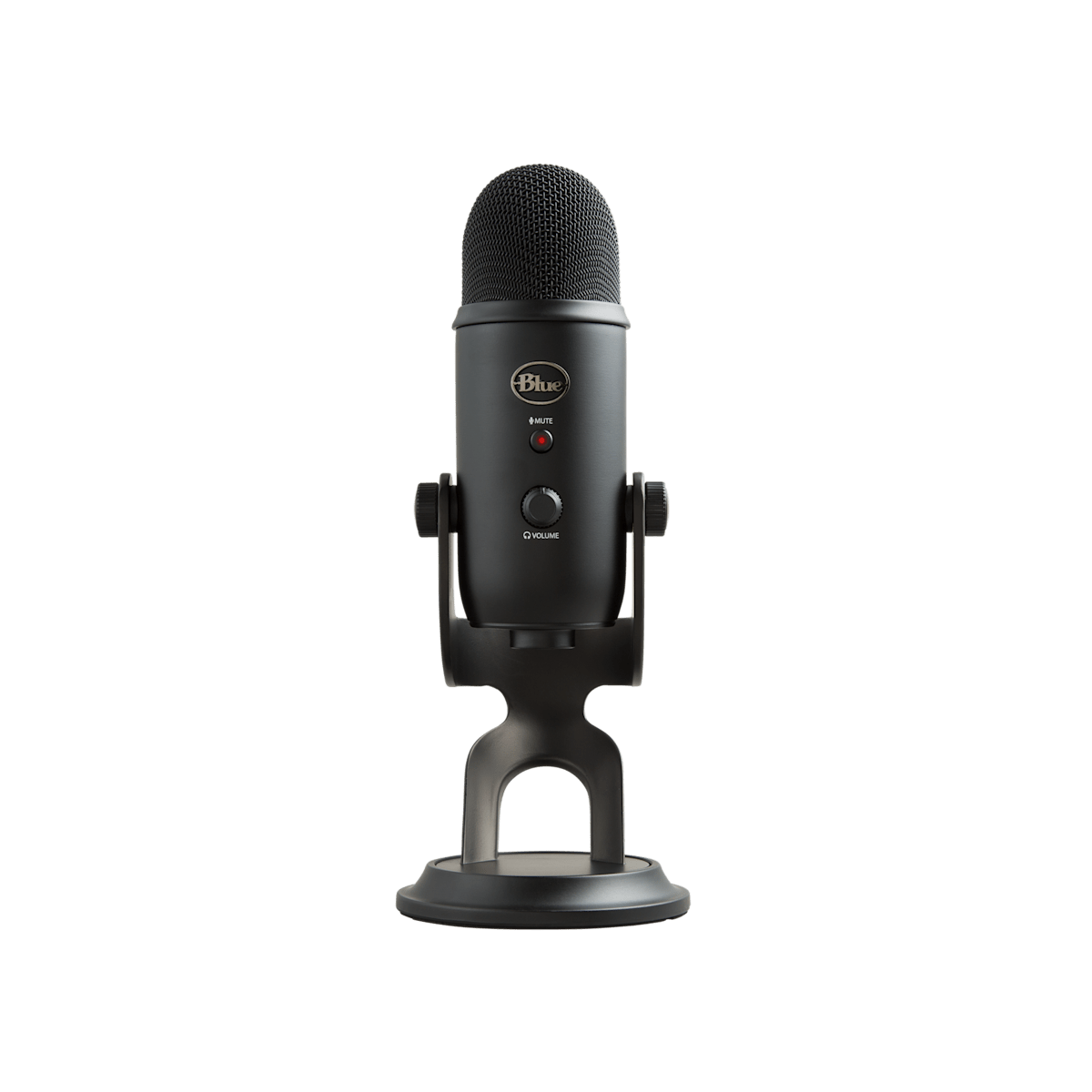
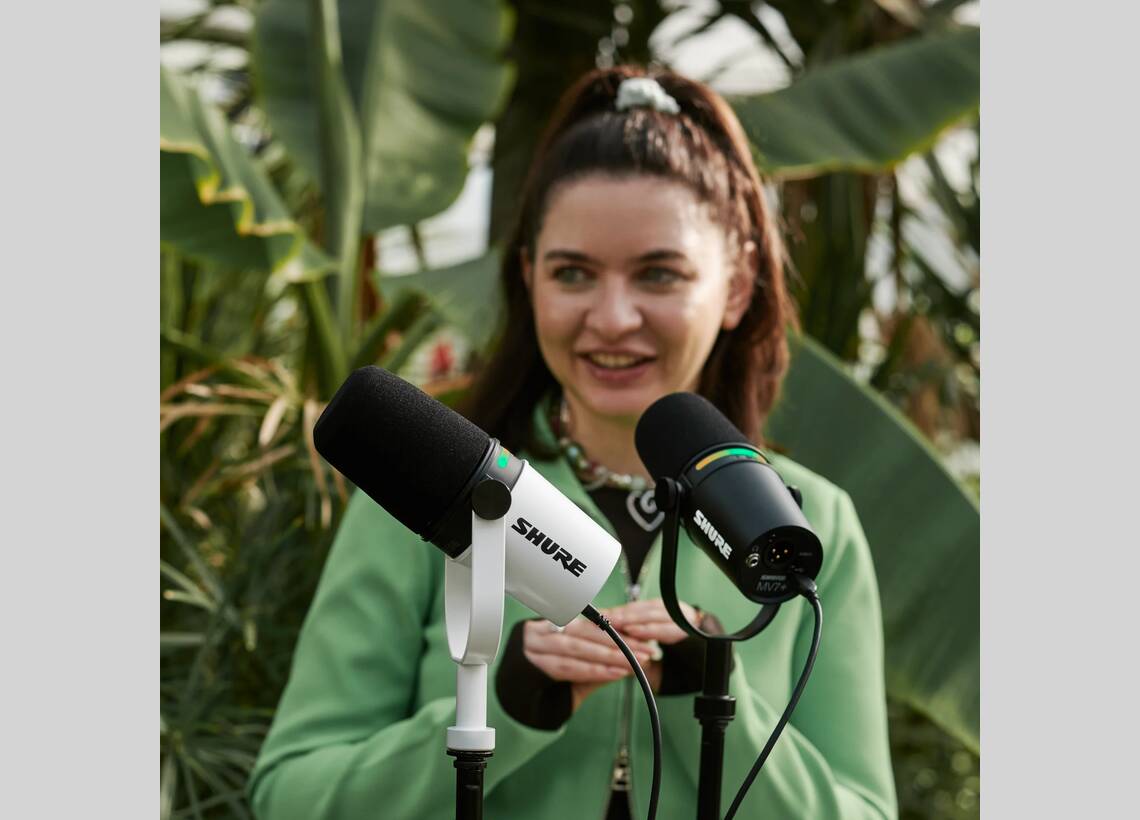
Quick verdict
Winner: Shure MV7+ (8.6/10)
The Shure MV7+ wins because it fits more real podcast rooms: it is made for untreated spaces, close solo voice work, onboard DSP, and a later move to XLR without replacing the mic.
We earn commission on qualifying purchases through our links, at no extra cost to you. Learn more.
At a glance
| Blue Yeti | Shure MV7+ | |
|---|---|---|
| GearPilot Score | 8.6/10 | 8.6/10 |
| Price | $109 | $279 |
| Connection | USB | USB/XLR |
| Polar pattern | Multi | Cardioid |
| Plug & play | ✓ | ✓ |
| Best for | Beginner streamers who want one mic that handles voice + room interviews | Podcasters in untreated rooms who want SM7B-style sound without a separate interface |
Pricing last verified: 2026-05-15
Pricing comparison
Best for each creator type
| Use-case | Winner | Note |
|---|
Choose Blue Yeti if…
- Beginner streamers who want one mic that handles voice + room interviews
- Podcasters recording in a quiet, treated room
- YouTubers who want USB simplicity without learning XLR
Choose Shure MV7+ if…
- Podcasters in untreated rooms who want SM7B-style sound without a separate interface
- Creators who want onboard DSP — denoiser, digital pop filter, real-time reverb
- Solo voice creators who may move to XLR later without changing microphone
What you lose if you switch
Before switching, check the workflow. The Blue Yeti is USB-only, while the Shure MV7+ supports USB and XLR, so the MV7+ gives you an upgrade path without requiring an audio interface on day one. Also check budget: the Yeti is much cheaper. Finally, match the mic to the room and sound goal. The Yeti suits quiet, treated spaces and flexible room use; the MV7+ suits close solo voice in untreated rooms.
How they differ
The Blue Yeti and Shure MV7+ land on the same GearPilot score, but they are aimed at different creator problems. The Blue Yeti is the simpler, lower-cost USB choice for creators who want one microphone for podcasting, streaming, and YouTube without learning XLR. Its biggest practical advantage is flexibility: it suits voice recording in quiet spaces and can handle room-style interviews better than a close-placement solo mic.
The Shure MV7+ is the stronger pick for this comparison because its positioning matches the harder podcasting scenario: solo voice in an untreated room. It is built for podcasters who want SM7B-style sound without a separate interface, and it gives creators a USB path now plus XLR later. For planning the rest of the chain around either mic, see a full podcast setup walkthrough.
The other major split is room behavior. The Blue Yeti is specifically not for noisy, untreated rooms because it can pick up keyboard and HVAC noise easily. The MV7+ is specifically for podcasters in untreated rooms and solo voice creators, though it is not the right choice for multi-person room recording because it needs close placement.
Who each suits
Choose the Shure MV7+ if your priority is spoken-word podcasting, streaming, or voiceover from a real home room rather than a treated studio. It is also the better fit if you want onboard DSP features such as denoiser, digital pop filter, and real-time reverb, or if you expect to move to XLR later without changing microphones.
Choose the Blue Yeti if you are a beginner streamer, YouTuber, or podcaster working in a quiet, treated room and you want USB simplicity at a much lower price. It is also the more natural option when you need one mic to cover both a solo voice and occasional room interviews.
If you are still deciding by creator workflow rather than by model, the broader microphones for podcasting guide is the better starting point.
Where the loser still wins
The Blue Yeti loses this head-to-head for podcast-first creators because its weaknesses line up with common recording problems: noisy rooms and future XLR upgrades. But it still wins in value and flexibility. At $109 versus $279, it makes more sense for creators on a tighter budget who do not need XLR and are recording in a quiet, controlled space.
- Blue Yeti still wins for: beginner streamers, YouTubers who want USB simplicity, and quiet-room podcasters.
- Shure MV7+ wins overall for: solo podcasters, voice creators in untreated rooms, and anyone planning a USB-to-XLR path.