
How to Set Up for Streaming: Gear Guide 2026
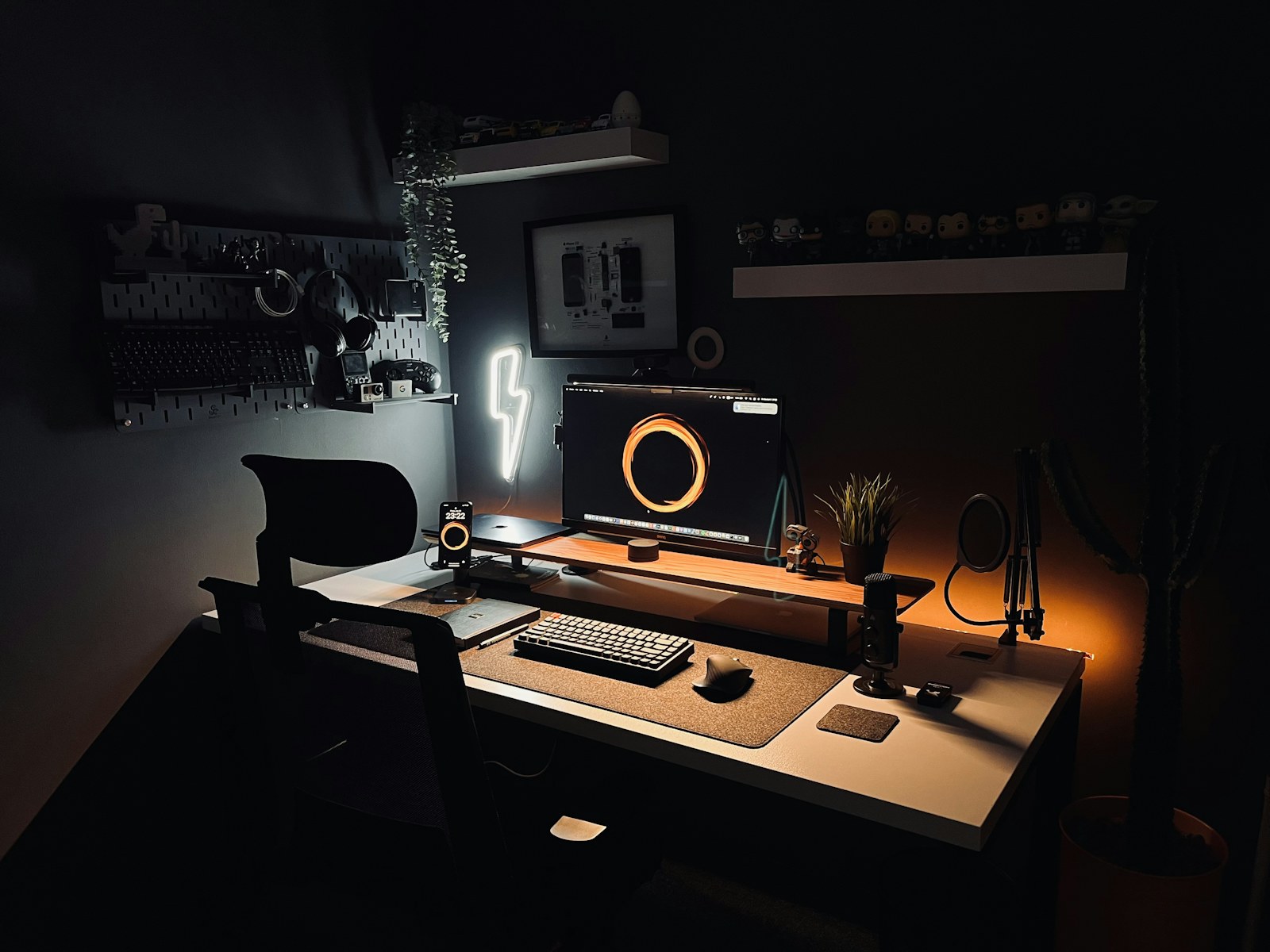
Overview
A streaming setup combines audio, video, and live mixing. The decisions hierarchy is microphone first, lighting second, camera third — viewers notice bad audio in seconds but tolerate a 1080p webcam for years. This guide covers gear tiers from $400 starter setups to $1,500+ broadcast-quality rigs.
The guide below is tiered into Beginner, Intermediate, and Pro setups. Each tier reflects a realistic complete-setup budget — not just the microphone — and the tier picks are SetupLunio’s recommended starting points for creators in that price band. All gear in every tier scores 7.5+ on the GearPilot framework; the difference between tiers is feature depth and upgrade ceiling, not bare adequacy.
What this guide assumes
This guide is written for streaming creators in their first 6–18 months — past the phone-mic stage, before professional studio investment. If you already own pro gear and are upgrading a single component, jump straight to the review pages linked from each tier. If you’re earlier than that — first time considering a real microphone — the Beginner tier is intentionally low-friction.
The Key Decisions section below covers the three or four questions that determine which tier to enter at: USB vs XLR, room treatment, and (depending on the specific workflow) audio interface vs mixer choice. The Microphone Finder can also surface the right tier given your specific budget and room.
How tier upgrades work
Most creators don’t buy everything in their tier at once. The order that produces the biggest day-one quality jump, in priority sequence: (1) microphone, (2) boom arm and shock mount, (3) audio interface (if XLR), (4) acoustic treatment, (5) camera, (6) lighting. Audio dominates retention metrics on every creator platform measured — viewers click away from bad audio within seconds but tolerate a 1080p webcam for years. Spend the budget on the audio chain first.
Related setups
This guide is one of four workflow pillars on SetupLunio. If your workflow straddles multiple categories (most do), the linked related-setup pages below give you adjacent gear recommendations. The master microphone roundup covers the full catalog organized by use-case and connection type.
Setup tiers
Beginner ($300–500)
~$400 total
- Microphone: HyperX QuadCast 2 S $199
- Webcam: Logitech MX Brio $199
Intermediate ($600–900)
~$800 total
- Microphone: Shure MV7+ $279
- Webcam: Logitech MX Brio $199
- Key light: Elgato Key Light MK.2 $219
Pro ($1,200–1,800)
~$1,500 total
- Microphone: Shure SM7B $399
- Mixer / interface: GoXLR $499
- Webcam: Elgato Facecam Pro $299
- Key light: Elgato Key Light MK.2 $219
Key decisions
-
Audio interface vs GoXLR — A standard interface (Scarlett Solo) handles a single mic for $139. A GoXLR routes game/chat/music/mic on independent faders for $499. Pick GoXLR only if you need multi-source live mixing.
See Focusrite vs GoXLR → -
1080p vs 4K webcam — Most viewers watch streams at 720p–1080p; 4K capture is bandwidth-wasted on Twitch. Pick 4K only for YouTube parallel uploads or if you record locally.
-
Key light vs ring light — Streamers should pick a key light. Ring lights are visible in glasses and read as "beauty creator" on stream.
Frequently Asked Questions
How much should a complete setup cost?
See the Setup Tiers block — Beginner, Intermediate, and Pro tiers cover the full budget range from ~$200 to ~$1,500. The microphone should be the largest single line item; everything else amortizes.
Should I buy everything at once or in stages?
Buy the microphone and a stand/boom arm first — those make the biggest day-one quality jump. Audio interface, lighting, and camera improvements amortize after the mic is sorted.
USB or XLR for this workflow?
See the Key Decisions block above. USB is the right starting point for most beginners; XLR pays off after 6–12 months of consistent use.
Do I need an audio interface?
Only if you choose an XLR microphone. USB mics include the interface internally and connect directly to your computer.
What is the GearPilot Score?
A 0–10 score combining five criteria — Quality, Ease of Setup, Creator Fit, Value, and Compatibility — computed from public specs, retailer data, and creator feedback. See /methodology/ for the formula.