
← Back to Best Microphones for Podcasting
Blue Yeti vs Elgato Wave:3 MK.2: Head-to-Head Comparison
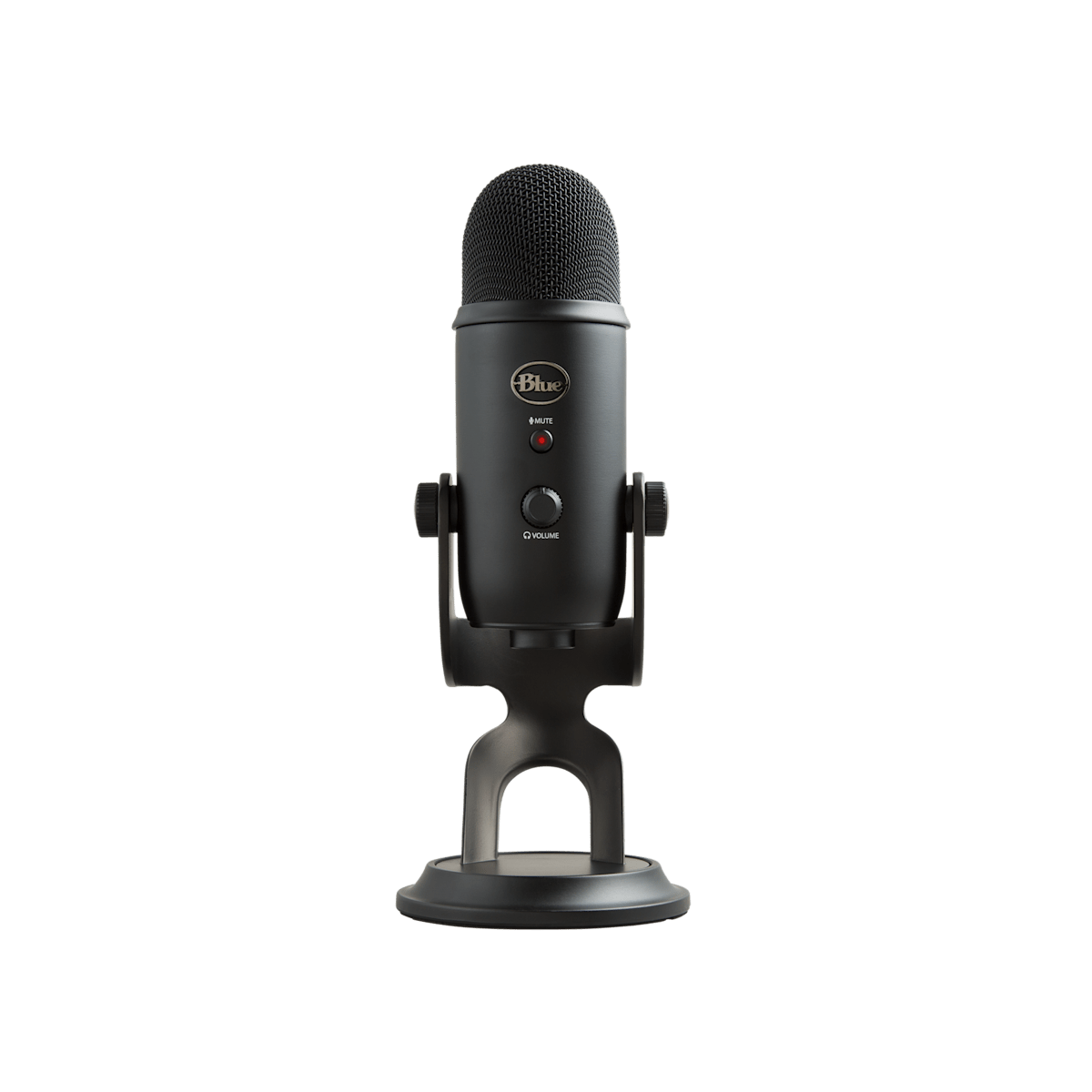
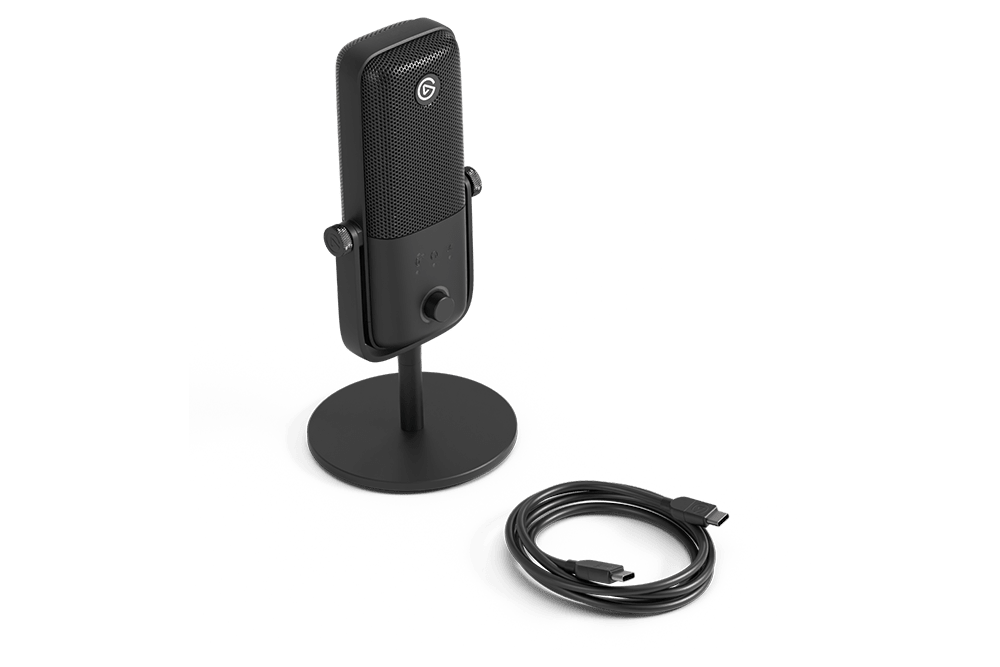
Quick verdict
Winner: Blue Yeti (8.6/10)
Blue Yeti wins because it has the slightly higher GearPilot score and is the broader-value USB choice for beginner creators who need simple podcasting, streaming, and YouTube coverage.
We earn commission on qualifying purchases through our links, at no extra cost to you. Learn more.
At a glance
| Blue Yeti | Elgato Wave:3 MK.2 | |
|---|---|---|
| GearPilot Score | 8.6/10 | 8.5/10 |
| Price | $109 | $170 |
| Connection | USB | USB |
| Polar pattern | Multi | Supercardioid |
| Plug & play | ✓ | ✓ |
| Best for | Beginner streamers who want one mic that handles voice + room interviews | Streamers already in the Elgato/Stream Deck ecosystem who want a deeper DSP toolkit |
Pricing last verified: 2026-05-15
Pricing comparison
Best for each creator type
| Use-case | Winner | Note |
|---|
Choose Blue Yeti if…
- Beginner streamers who want one mic that handles voice + room interviews
- Podcasters recording in a quiet, treated room
- YouTubers who want USB simplicity without learning XLR
Choose Elgato Wave:3 MK.2 if…
- Streamers already in the Elgato/Stream Deck ecosystem who want a deeper DSP toolkit
- Creators who want onboard low-latency processing — compressor, EQ, Voice Tune — without a plugin chain
- Solo podcasters in a moderately treated room who want tighter pickup than a standard cardioid
What you lose if you switch
Before switching, check the basics: both are USB microphones and neither needs an audio interface, so the move is not about XLR expansion. Compare the budget first, because the supplied prices put Blue Yeti lower. Then consider sound behavior: Yeti is more flexible for voice plus room-style use, while Wave:3 MK.2 is aimed at tighter solo pickup and onboard processing. If your room is untreated, neither is an automatic fix.
How they differ
Blue Yeti is the more flexible all-rounder here. Its main advantage is not that it is more specialized; it is that it covers more common beginner creator situations with less commitment. The supplied positioning points to streamers, podcasters, and YouTubers who want USB simplicity, including people who may record voice plus room interviews.
Elgato Wave:3 MK.2 is the more ecosystem-driven choice. Its strongest case is for creators already using Elgato tools who want Wave Link and Wave FX style control, including onboard low-latency processing such as compressor, EQ, and Voice Tune. That makes it more focused than the Yeti, but also more dependent on whether you value that workflow.
The score gap is narrow, but it still matters: Blue Yeti scores 8.6, while Elgato Wave:3 MK.2 scores 8.5. The Yeti also sits lower on price in the supplied data, so the default recommendation stays with Blue unless you specifically want Elgato’s processing and integration.
Who each suits
Choose Blue Yeti if you are building a first creator setup and want one USB condenser mic for podcasting, streaming, or YouTube without learning XLR. It is especially sensible for beginner streamers who may need a mic that can handle voice and occasional room-style recording, and for podcasters working in a quiet, treated room. For more podcast-focused options, see our microphones for podcasting guide.
Choose Elgato Wave:3 MK.2 if your work is centered on streaming, gaming, and software-controlled audio. It is the better fit for people already in the Elgato or Stream Deck ecosystem, because the value is tied to the integration and DSP toolkit rather than just being a simple plug-and-play microphone.
If you are planning the rest of your creator desk, including how the mic fits into camera, lighting, and routing choices, use a full streaming setup walkthrough before buying. That matters because a mic that looks better on paper can still be the wrong match for your workflow.
Where the loser still wins
Elgato Wave:3 MK.2 loses the overall verdict, but it still wins for a specific kind of creator: the streamer or gamer who wants tighter pickup than a standard cardioid and wants processing available without building a separate plugin chain. If you already live inside Wave Link or Wave FX, the Wave:3 MK.2 is easier to justify.
Blue Yeti is not the best pick for noisy, untreated rooms, and it is not positioned for pro music vocals or broadcast-grade voiceover. Elgato is also not a cure for bad rooms, because the supplied facts still warn that its condenser design can pick up nearby reflections. In short: pick Yeti for broader beginner value; pick Wave:3 MK.2 for Elgato-centered streaming control.