
← Back to Best Microphones for Podcasting
Shure MV7+ vs Rode PodMic: Head-to-Head Comparison
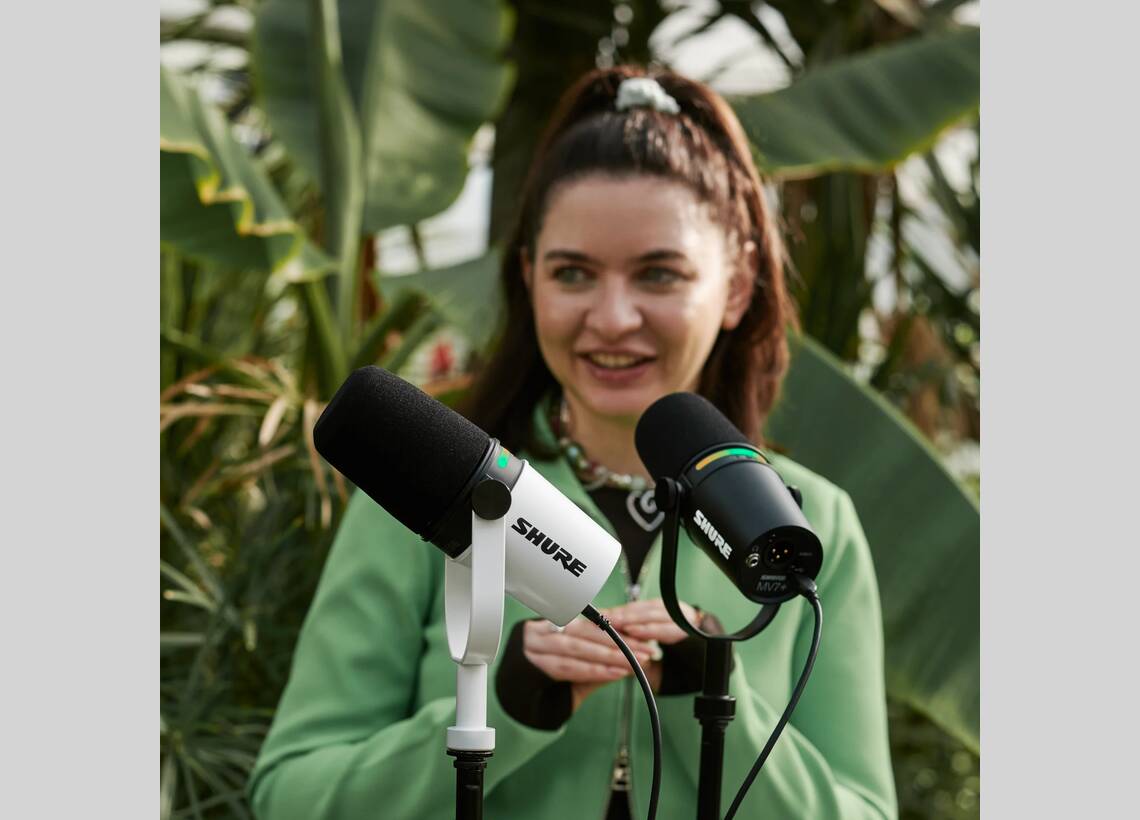
Quick verdict
Winner: Shure MV7+ (8.6/10)
The Shure MV7+ wins because it scores higher and fits more creator workflows, giving podcasters USB plug-and-play today with an XLR path for later.
We earn commission on qualifying purchases through our links, at no extra cost to you. Learn more.
At a glance
| Shure MV7+ | Rode PodMic | |
|---|---|---|
| GearPilot Score | 8.6/10 | 8.4/10 |
| Price | $279 | $99 |
| Connection | USB/XLR | XLR |
| Polar pattern | Cardioid | Cardioid |
| Plug & play | ✓ | Requires interface |
| Best for | Podcasters in untreated rooms who want SM7B-style sound without a separate interface | Podcasters in untreated rooms |
Pricing last verified: 2026-07-13
Pricing comparison
Best for each creator type
| Use-case | Winner | Note |
|---|
Choose Shure MV7+ if…
- Podcasters in untreated rooms who want SM7B-style sound without a separate interface
- Creators who want onboard DSP — denoiser, digital pop filter, real-time reverb
- Solo voice creators who may move to XLR later without changing microphone
Choose Rode PodMic if…
- Podcasters in untreated rooms
- Streamers with audio interfaces
- YouTubers seeking warm sound
What you lose if you switch
Before switching, check the connection chain. Moving from the Rode PodMic to the Shure MV7+ can simplify your setup because the MV7+ works over USB without an interface. Moving from the MV7+ to the PodMic means you need an audio interface and an XLR workflow. Also compare budget and sound priorities: the PodMic is much cheaper, while the MV7+ is the more flexible mic for creators who may change setups over time.
How they differ
The Shure MV7+ and Rode PodMic are both cardioid dynamic microphones aimed at close spoken-word recording, but they are built around different workflows. The MV7+ is the more flexible choice: it works over USB or XLR, does not require a separate audio interface, and is positioned for podcasting, streaming, and voiceover. The PodMic is XLR-only, requires an audio interface, and is positioned mainly around podcasting.
That difference matters more than the small score gap. The MV7+ has the higher GearPilot score, 8.6 versus 8.4, and it also removes the main setup barrier for solo creators. If you want one mic that can start as a plug-and-play USB mic and later move into an XLR setup, the Shure is the safer long-term pick.
The MV7+ also has a clearer advantage for creators working in untreated rooms who want a close, controlled vocal sound without buying extra gear first. Its onboard DSP features, including denoiser, digital pop filter, and real-time reverb, make it more self-contained for creators who want processing handled at the mic stage.
Who each suits
Choose the Shure MV7+ if you are a solo podcaster, streamer, or voice creator who wants a simple setup now but does not want to be locked out of XLR later. It is especially well matched to podcasters in untreated rooms who want an SM7B-style direction without needing a separate interface on day one.
Choose the Rode PodMic if you already have an audio interface and want a lower-cost XLR podcasting mic. Its positioning is narrower, but that can be a strength: it is clearly aimed at podcasters, streamers with interfaces, and YouTubers seeking a warm sound.
If you are planning the rest of your recording chain, use a full podcast setup walkthrough before deciding how much of your budget should go toward the microphone versus the interface and other essentials. For a broader shortlist, compare both against other options in our microphones for podcasting guide.
Where the loser still wins
The Rode PodMic still wins on price. At $99, it is far cheaper than the $279 Shure MV7+, so it makes sense for creators who already own the interface they need and do not care about USB. It is also the more focused pick for an XLR-only podcasting setup.
The PodMic is not the better all-round recommendation here because it is not plug-and-play and is not suited to USB-only setups. But if your workflow is already built around XLR, its lower price and podcast-first positioning keep it relevant.
- Overall winner: Shure MV7+.
- Best low-cost XLR pick: Rode PodMic.
- Best for USB-first creators: Shure MV7+.