
← Back to Best Microphones for Podcasting
Blue Yeti vs Shure SM7B: Head-to-Head Comparison
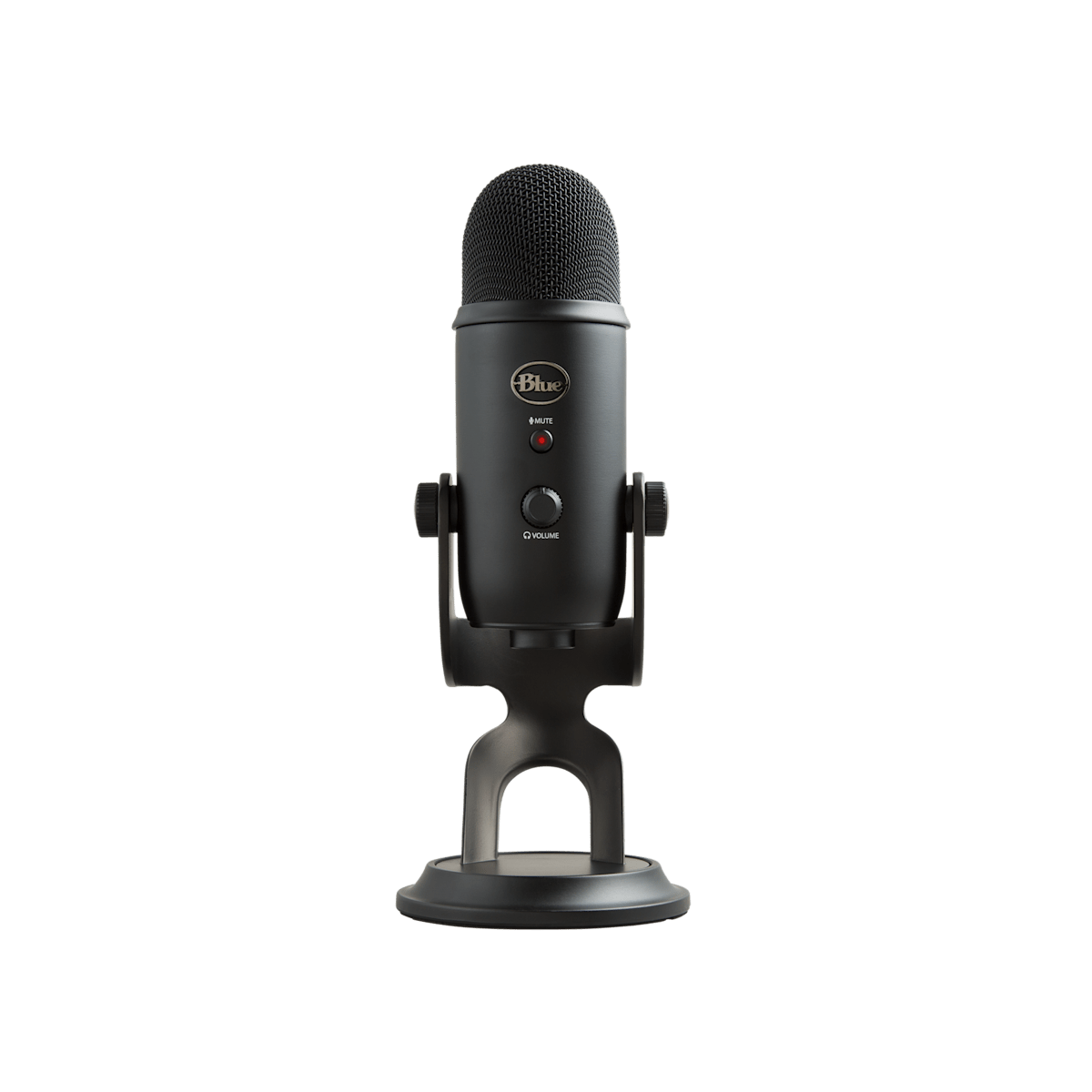
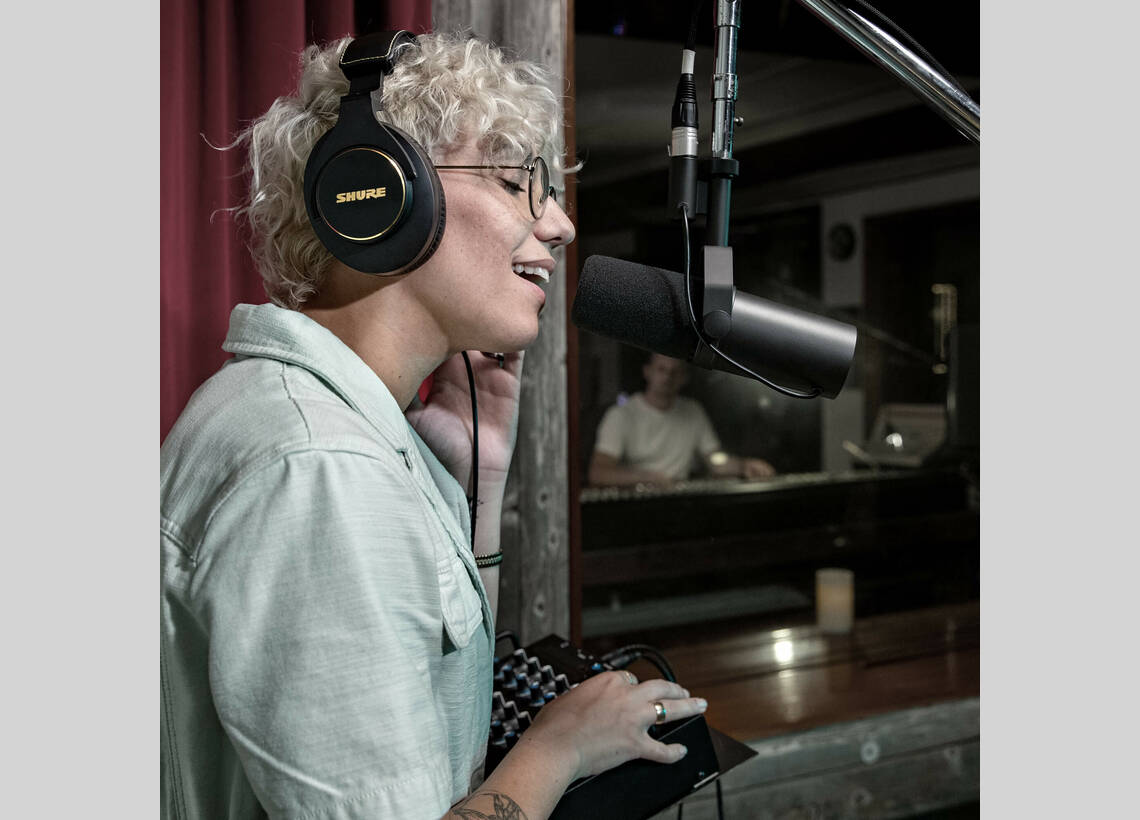
Quick verdict
Winner: Blue Yeti (8.6/10)
USB and XLR aren't really competing products — they're starting points on different paths. USB (Blue Yeti) is plug-and-play with one cable; XLR (SM7B) needs an audio interface but unlocks better preamps, better mics, and a longer upgrade ceiling. Beginners and most solo creators should start USB; podcasters and home studios investing for years should plan an XLR setup.
We earn commission on qualifying purchases through our links, at no extra cost to you. Learn more.
At a glance
| Blue Yeti | Shure SM7B | |
|---|---|---|
| GearPilot Score | 8.6/10 | 8.0/10 |
| Price | $109 | $399 |
| Connection | USB | XLR |
| Polar pattern | Multi | Cardioid |
| Plug & play | ✓ | Requires interface |
| Best for | Beginner streamers who want one mic that handles voice + room interviews | Pro podcasters and broadcasters — the de facto industry standard |
Pricing last verified: 2026-05-15
Pricing comparison
Best for each creator type
| Use-case | Winner | Note |
|---|---|---|
| Podcasting | Shure SM7B | |
| Streaming | Blue Yeti | |
| Gaming | Blue Yeti | |
| Vocals | Shure SM7B | |
| YouTube | Shure SM7B |
Choose Blue Yeti if…
- Beginner streamers who want one mic that handles voice + room interviews
- Podcasters recording in a quiet, treated room
- YouTubers who want USB simplicity without learning XLR
Choose Shure SM7B if…
- Pro podcasters and broadcasters — the de facto industry standard
- Streamers and YouTubers ready for a full XLR + interface setup
- Voiceover work in any room — even untreated spaces sound usable
What you lose if you switch
Switching from USB (Yeti) to XLR (SM7B + interface) costs you: roughly $400 in total system spend versus $109 for the Yeti alone, the convenience of single-cable connection, and pattern flexibility (the SM7B is cardioid only). You gain: the broadcast-industry standard sound, vastly better room-noise rejection, a longer upgrade ceiling, and a true studio-grade signal path. Plan for the interface, XLR cable, and a boom arm rated for the SM7B's 766g weight when you make the move.
Verdict at a glance
USB and XLR aren’t really competing products — they’re starting points on different paths. USB (Blue Yeti) is plug-and-play with one cable; XLR (SM7B) needs an audio interface but unlocks better preamps, better mics, and a longer upgrade ceiling. Beginners and most solo creators should start USB; podcasters and home studios investing for years should plan an XLR setup.
The full side-by-side specs table is above — score, price, connection type, polar pattern, plug-and-play, and best-for use case for both products. The choose-blocks section breaks down which buyer profile each microphone fits.
How Blue Yeti and Shure SM7B compare on the GearPilot framework
Blue Yeti scores 8.6/10 overall; Shure SM7B scores 8.0/10. With a $290 price gap, the comparison is largely about whether the more expensive option’s feature set justifies the spend for your specific workflow.
On per-criterion scores, Blue Yeti leads on ease, value, compatibility, and Shure SM7B leads on quality, creator_fit. The detailed methodology behind each score lives on /methodology/.
How they compare in practice
Blue Yeti is the right pick when: beginner streamers who want one mic that handles voice + room interviews. Shure SM7B is the right pick when: pro podcasters and broadcasters — the de facto industry standard. For the per-use-case winner breakdown, see the Creator-Type Matrix block above — each use case (podcasting, streaming, gaming, YouTube, vocals) has a declared winner based on the per-product Creator Fit scores rather than editorial preference.
What you give up either way
Choosing Blue Yeti means accepting that side-address design — many new users speak into the top by mistake. Choosing Shure SM7B means accepting that notoriously low output — needs 60+ dB of preamp gain or an inline booster. For the full pros and cons lists for each microphone, see their individual review pages linked from the choose-blocks above.
If neither product clearly fits your setup, the Microphone Finder can surface a different match based on five short questions about your budget, room, and workflow.
Frequently Asked Questions
Is the Blue Yeti better than the Shure SM7B?
Not unconditionally — see the Quick Verdict above. Blue Yeti wins on certain axes; Shure SM7B wins on others. The right choice depends on your use case and room.
Which one has better sound quality?
On the GearPilot quality sub-score, Blue Yeti scores 7.8/10 and Shure SM7B scores 9.2/10. Closer to a tie than people assume.
Which is better value?
On the GearPilot value sub-score, Blue Yeti scores 8.7/10 and Shure SM7B scores 8.0/10. Value is price-sensitive — re-check pricing before purchase.
Can I see specs side by side?
Yes — the At a Glance table above lists score, price, connection, polar pattern, plug-and-play, and best-for for both products.
Where can I read full reviews?
See the linked full reviews for Blue Yeti and Shure SM7B in the choose-blocks below.