
← Back to Best Microphones for Podcasting
Blue Yeti vs Samson Q2U: Head-to-Head Comparison
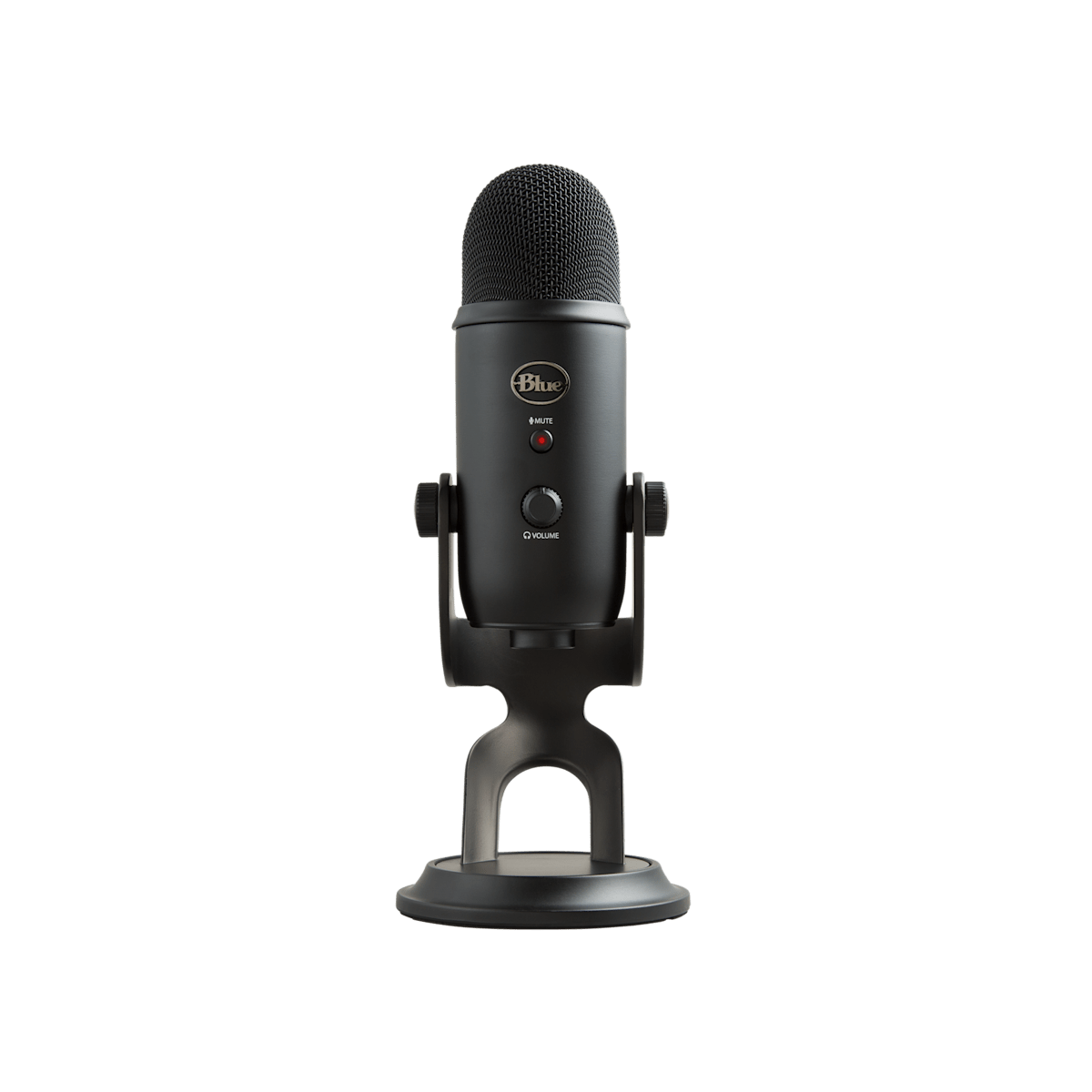
Quick verdict
Winner: Blue Yeti (8.6/10)
The Blue Yeti wins because its 8.6 score edges the Samson Q2U’s 8.5 while fitting more creator roles: podcasting, streaming, and YouTube. Choose Q2U only if budget or USB/XLR flexibility matters more.
We earn commission on qualifying purchases through our links, at no extra cost to you. Learn more.
At a glance
| Blue Yeti | Samson Q2U | |
|---|---|---|
| GearPilot Score | 8.6/10 | 8.5/10 |
| Price | $109 | $70 |
| Connection | USB | USB/XLR |
| Polar pattern | Multi | Cardioid |
| Plug & play | ✓ | ✓ |
| Best for | Beginner streamers who want one mic that handles voice + room interviews | Podcasters |
Pricing last verified: 2026-07-13
Pricing comparison
- Blue Yeti: $109 Amazon
- Samson Q2U: $70
Best for each creator type
| Use-case | Winner | Note |
|---|
Choose Blue Yeti if…
- Beginner streamers who want one mic that handles voice + room interviews
- Podcasters recording in a quiet, treated room
- YouTubers who want USB simplicity without learning XLR
Choose Samson Q2U if…
- Podcasters
- Beginner content creators
- Budget-conscious users
What you lose if you switch
Before switching: The Blue Yeti is USB-only, while the Samson Q2U offers USB and XLR; neither requires an audio interface for plug-and-play use. Check whether saving money matters more than the Yeti’s slightly higher score and broader creator fit. Also check your room: the Yeti is not for noisy, untreated spaces because it can pick up keyboard and HVAC. If you want a podcast-only, upgrade-friendly path, Q2U may be the smarter change.
How they differ
Blue Yeti is the winner here because it has the higher GearPilot score and the broader creator brief. It is positioned for podcasting, streaming, and YouTube, while Samson Q2U is positioned mainly around podcasting, beginner creators, and budget-conscious users. That makes the Yeti the better default if one mic has to cover solo voice, simple video work, and occasional room-style conversation in a quiet setup.
Q2U answers a narrower question: can a beginner podcaster spend less and still keep room to grow? The supplied facts say yes: it costs less, is plug-and-play, and supports both USB and XLR while not requiring an interface to get started. For creators comparing options in microphones for podcasting, that flexibility is the main reason this matchup is close.
Who each suits
- Choose Blue Yeti if you stream, make YouTube videos, or want one USB mic for voice plus occasional room interviews. Its best-fit notes specifically call out beginner streamers and YouTubers who want USB simplicity.
- Choose Blue Yeti if you podcast in a quiet, treated room and want the slightly higher-rated option. That room condition matters because the Yeti is explicitly not recommended for noisy, untreated spaces.
- Choose Samson Q2U if your main job is podcasting and price is a primary filter. Its best-fit list names podcasters, beginner content creators, and budget-conscious users, so it is the cleaner podcast-only value pick.
- Plan the whole chain before buying. If you are building your first show setup, a full podcast setup walkthrough will help you decide whether the mic is the only purchase you need right now.
Where the loser still wins
The Samson Q2U loses the overall verdict by a very small score gap, but it still wins for some creators. It is the better fit if you want the lower-cost option, care about having both USB and XLR connection paths, or are focused on podcasting rather than a mix of podcasting, streaming, and YouTube.
It also becomes easier to recommend when your room is not ideal. The Yeti’s own cautions say it is not for noisy, untreated rooms because it can pick up keyboard and HVAC easily. If that describes your setup, the Q2U’s narrower podcast positioning may be the safer practical choice.