
← Back to Best Microphones for Streaming
HyperX QuadCast 2 S vs Elgato Wave:3 MK.2: Head-to-Head Comparison
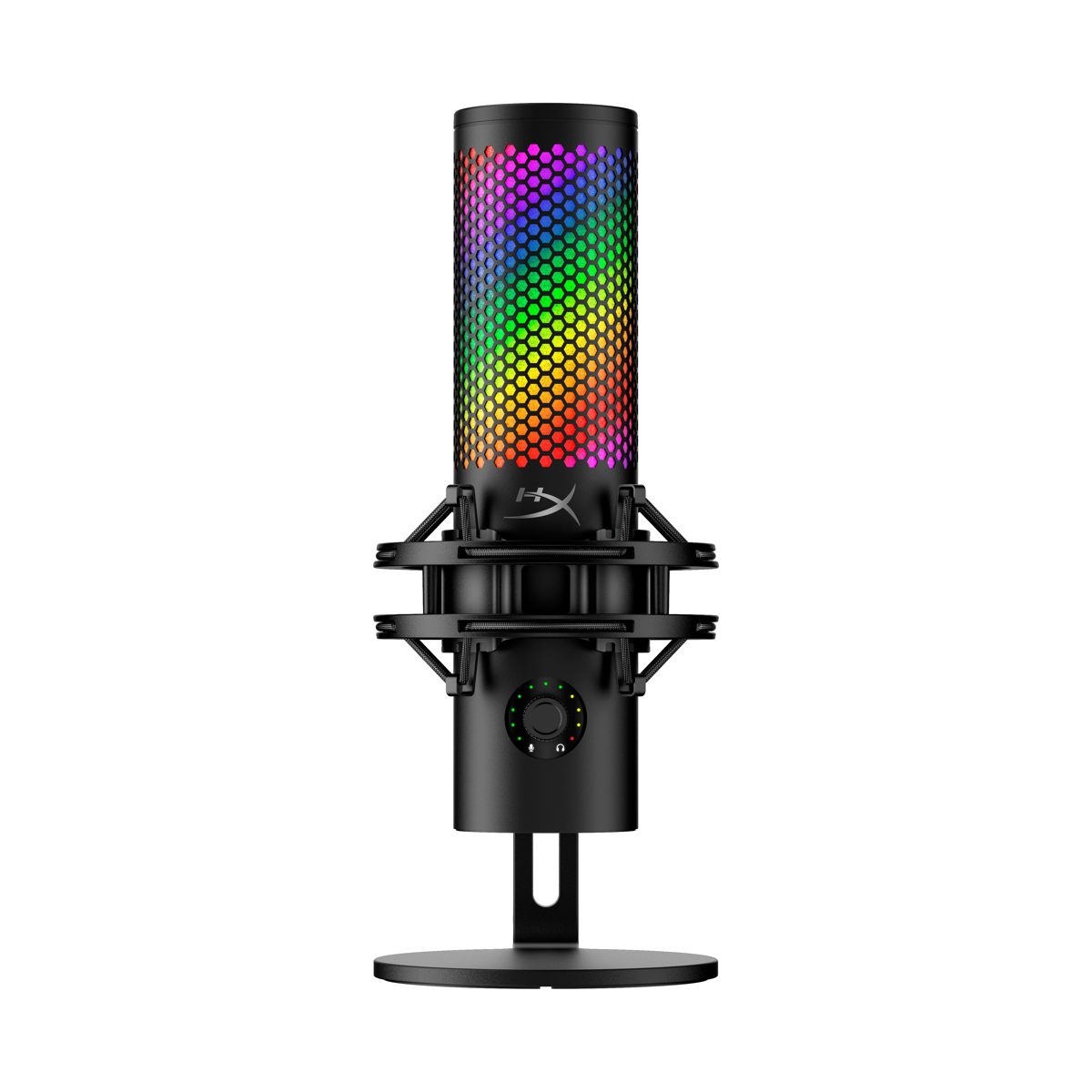
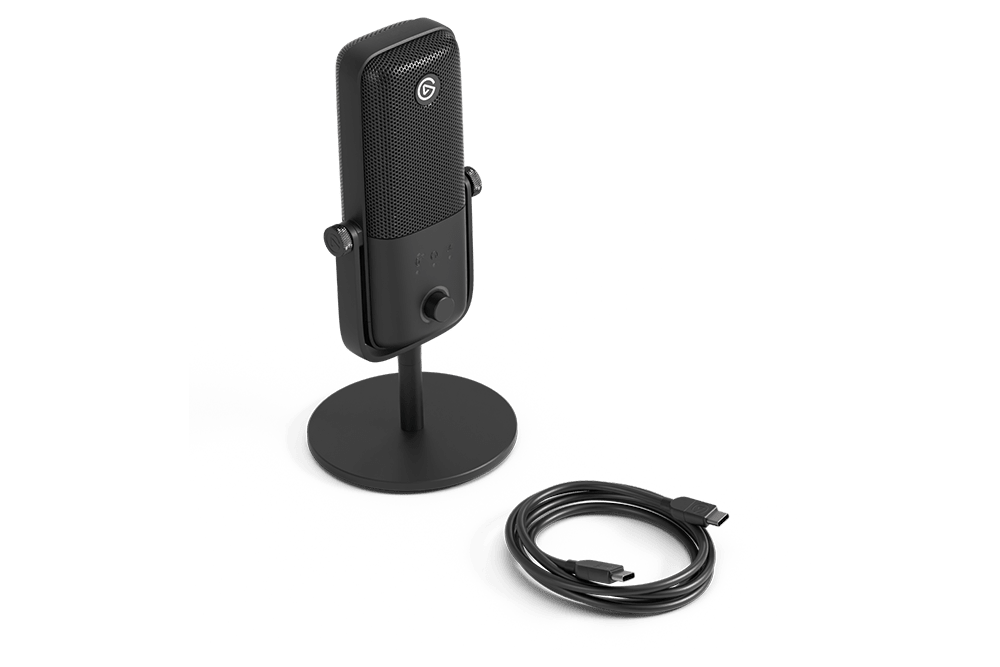
Quick verdict
Winner: HyperX QuadCast 2 S (8.7/10)
Winner: HyperX QuadCast 2 S. It has the higher GearPilot score, and its positioning is broader for streamers, gamers, and YouTubers, while the Elgato’s strongest case depends on Wave Link/Wave FX integration.
We earn commission on qualifying purchases through our links, at no extra cost to you. Learn more.
At a glance
| HyperX QuadCast 2 S | Elgato Wave:3 MK.2 | |
|---|---|---|
| GearPilot Score | 8.7/10 | 8.5/10 |
| Price | $199 | $170 |
| Connection | USB | USB |
| Polar pattern | Multi | Supercardioid |
| Plug & play | ✓ | ✓ |
| Best for | Streamers who want a visually striking mic with the most customizable RGB in its class | Streamers already in the Elgato/Stream Deck ecosystem who want a deeper DSP toolkit |
Pricing last verified: 2026-05-15
Pricing comparison
Best for each creator type
| Use-case | Winner | Note |
|---|
Choose HyperX QuadCast 2 S if…
- Streamers who want a visually striking mic with the most customizable RGB in its class
- Gamers — top-mounted tap-to-mute sensor fits muscle memory mid-match
- YouTubers recording solo voiceovers in a quiet, treated room
Choose Elgato Wave:3 MK.2 if…
- Streamers already in the Elgato/Stream Deck ecosystem who want a deeper DSP toolkit
- Creators who want onboard low-latency processing — compressor, EQ, Voice Tune — without a plugin chain
- Solo podcasters in a moderately treated room who want tighter pickup than a standard cardioid
What you lose if you switch
Before switching, check the whole chain, not just the mic. Both are USB models and do not require an audio interface, so the move is not about adding XLR hardware. Compare the listed budgets, then decide whether your sound workflow matters more than visual controls. HyperX is the higher-scoring pick for RGB-led streaming, gaming, and YouTube use. Elgato is worth switching to if Wave Link/Wave FX processing and Stream Deck integration are central to how you run audio.
How they differ
The HyperX QuadCast 2 S wins this comparison because it scores higher and fits more of the core creator page audience without needing a specific software ecosystem. Its strongest identity is visual and hands-on: it is aimed at streamers who want highly customizable RGB, gamers who benefit from a top-mounted tap-to-mute sensor, and YouTubers recording solo voiceovers in a quiet, treated room.
The Elgato Wave:3 MK.2 is narrower but still serious. Its pitch is not RGB-first; it is workflow-first. It is best for creators already using Elgato tools, especially Stream Deck, Wave Link, and Wave FX. Its advantage is the deeper onboard processing toolkit: compressor, EQ, and Voice Tune without building a separate plugin chain.
That makes this less about one microphone being universally better and more about where the value sits. HyperX is the better general recommendation for a creator who wants a strong USB mic for streaming, gaming, and YouTube. Elgato makes more sense when the rest of the setup is already organized around Elgato’s software controls. For more context on choosing around a live creator workflow, see our full streaming setup walkthrough.
Who each suits
- Choose HyperX if your priority is streaming presence. The QuadCast 2 S is specifically positioned for creators who want a visually striking microphone with class-leading RGB customization.
- Choose HyperX if you mainly game on stream. The top-mounted tap-to-mute control is called out as a fit for mid-match muscle memory, which is directly useful for gaming broadcasts.
- Choose HyperX if you record solo YouTube voiceovers. Its best-fit notes include YouTubers recording in a quiet, treated room.
- Choose Elgato if you are already in the Elgato ecosystem. The Wave:3 MK.2 is strongest when Wave Link, Wave FX, and Stream Deck are part of the workflow.
- Choose Elgato if podcasting is part of the plan. It is explicitly positioned for solo podcasters in a moderately treated room who want tighter pickup than a standard cardioid.
Both microphones are still condensers, so neither is framed as ideal for untreated rooms. HyperX’s notes warn that it can still pick up keyboard and chair noise. Elgato’s notes similarly warn that nearby reflections can still be captured. If room control is the real problem, compare broader options in our microphones for streaming guide before deciding.
Where the loser still wins
The Elgato Wave:3 MK.2 loses overall, but it is the better pick for a specific buyer: someone who wants onboard low-latency processing and already values Elgato integration. Its compressor, EQ, and Voice Tune positioning gives it a clearer workflow advantage for creators who do not want to manage a separate plugin chain.
It also has the lower listed price, which matters if the buyer wants to stay under the HyperX price while still getting a creator-focused USB condenser. The catch is that Elgato’s own positioning says the value is in the integration. Outside that ecosystem, the QuadCast 2 S is the safer winner.