
Best Dynamic Microphones
Dynamic microphones are the workhorses of untreated rooms. They reject background noise, room echo and off-axis sound far better than sensitive condensers, which is why broadcasters, podcasters and streamers reach for them in normal home spaces. They handle loud sources without distorting and need no special care.
Dynamics are one branch of our best microphones hub. If your room is quiet and treated, compare them with condenser microphones, which trade noise rejection for extra detail. Not sure which suits you? The Microphone Finder narrows it down.
How to choose a Dynamic microphone
- Choose dynamic if your room is untreated or noisy — they reject far more background sound than condensers.
- Check the connection: USB dynamics are plug-and-play; XLR dynamics need an interface but scale further.
- Low-output dynamics need plenty of clean gain — confirm your interface can supply it.
- Get the mic close; dynamics are designed to be used a few inches from your mouth.
Top 3 picks
Rode PodMic USB
8.7 / 10
Beginner podcasters
$199
Read review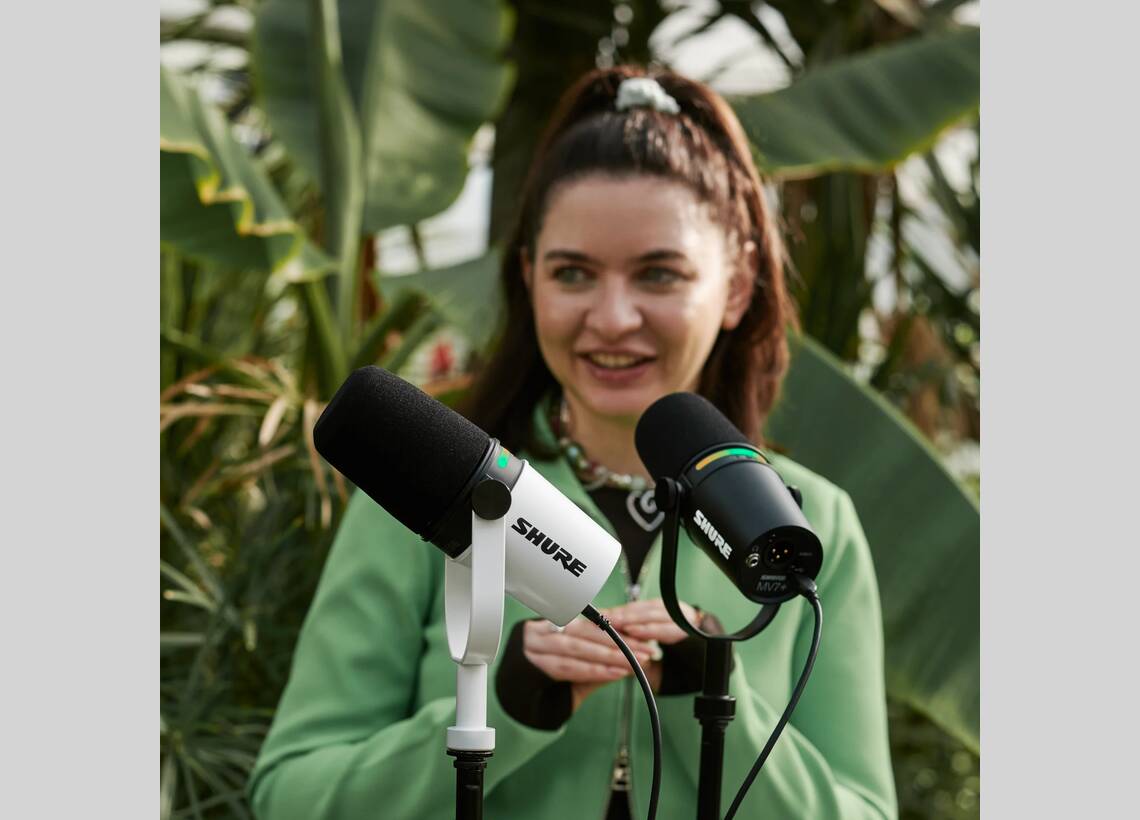
Shure MV7+
8.6 / 10
Podcasters in untreated rooms who want SM7B-style sound without a separate interface
$279
Read reviewElgato Wave DX
8.5 / 10
Streamers with noisy backgrounds
$99
Read reviewHow the top 5 compare
| Microphone | Price | Connection | GearPilot | Best for |
|---|---|---|---|---|
| Rode PodMic USB | $199 | USB/XLR | 8.7/10 | Beginner podcasters |
| Shure MV7+ | $279 | USB/XLR | 8.6/10 | Podcasters in untreated rooms who want SM7B-style sound without a separate interface |
| Elgato Wave DX | $99 | XLR | 8.5/10 | Streamers with noisy backgrounds |
| Samson Q2U | $70 | USB/XLR | 8.5/10 | Podcasters |
| Shure SM58 | $99 | XLR | 8.5/10 | Live vocal performances |
Ranked via the GearPilot methodology. Scores are computed, not editorial.
Best by use case
- Rode PodMic USB: Beginner podcasters
- Shure MV7+: Podcasters in untreated rooms who want SM7B-style sound without a separate interface
- Elgato Wave DX: Streamers with noisy backgrounds
- Samson Q2U: Podcasters
- Shure SM58: Live vocal performances
All microphones in this category
Head-to-head comparisons
Alternatives roundups
Frequently Asked Questions
What is a dynamic microphone best for?
Recording in untreated or noisy rooms. Dynamics reject background noise, room echo and off-axis sound, making them ideal for home podcasting, streaming and broadcast.
Are dynamic mics better than condensers for podcasting?
In most home settings, yes — they keep keyboard noise and room echo out of the recording. Condensers shine only in quiet, treated rooms.
Do dynamic microphones need phantom power?
No. Passive dynamic mics do not require phantom power, though supplying it causes no harm. Some active dynamics do use it.
Why does my dynamic mic sound quiet?
Many dynamics have low output and need substantial clean gain. Use an interface with enough headroom or add an inline gain booster.
USB or XLR dynamic microphone?
USB is simplest and needs no interface. XLR offers more control and room to grow; some mics offer both connections.