
Best Microphones for Voice Over
Voice-over work — narration, e-learning, audiobooks, commercial reads — asks for a clean, consistent sound with a controlled low end and no distracting room tone. Both detailed condensers and noise-rejecting dynamics are used professionally; the right pick depends far more on your room than on the mic itself.
This is a use-case branch of our best microphones hub. In a treated booth, a condenser microphone captures the most detail; in an untreated room, a dynamic microphone keeps the recording clean. Match one to your space with the Microphone Finder.
How to choose a microphone for Voiceover
- Treated room? A large-diaphragm condenser gives the richest, most detailed voice-over sound.
- Untreated room? A dynamic mic keeps background noise and echo out of the read.
- Prioritise consistency — a cardioid pattern and steady mic technique matter more than raw specs.
- Always use a pop filter and record a little quieter to leave headroom for processing.
Top 3 picks
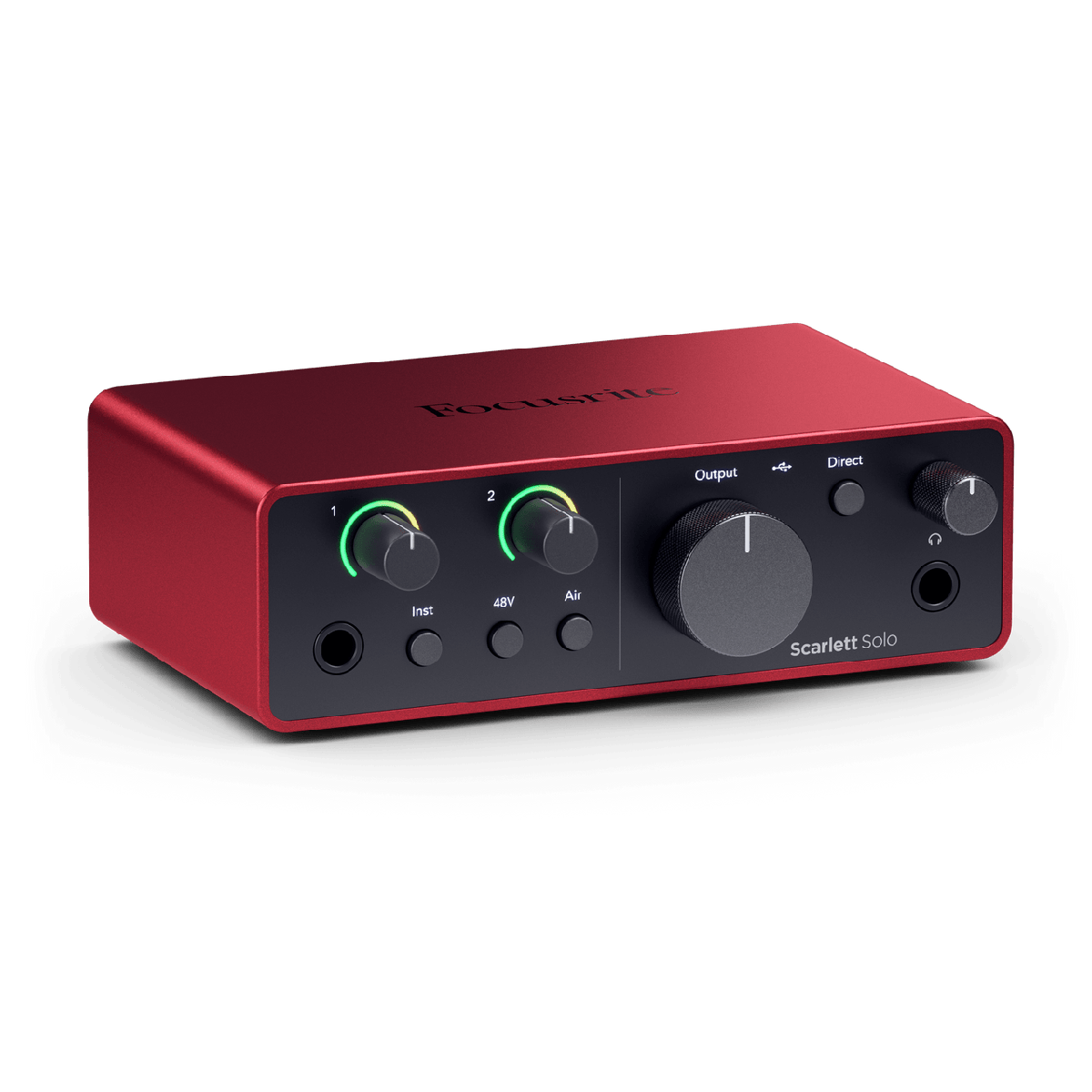
Focusrite Scarlett Solo (4th Gen)
9.0 / 10
Anyone moving from USB to XLR mics for the first time
$139
Read reviewRode NT1 5th Gen
8.6 / 10
Podcasters seeking simplicity
$259
Read review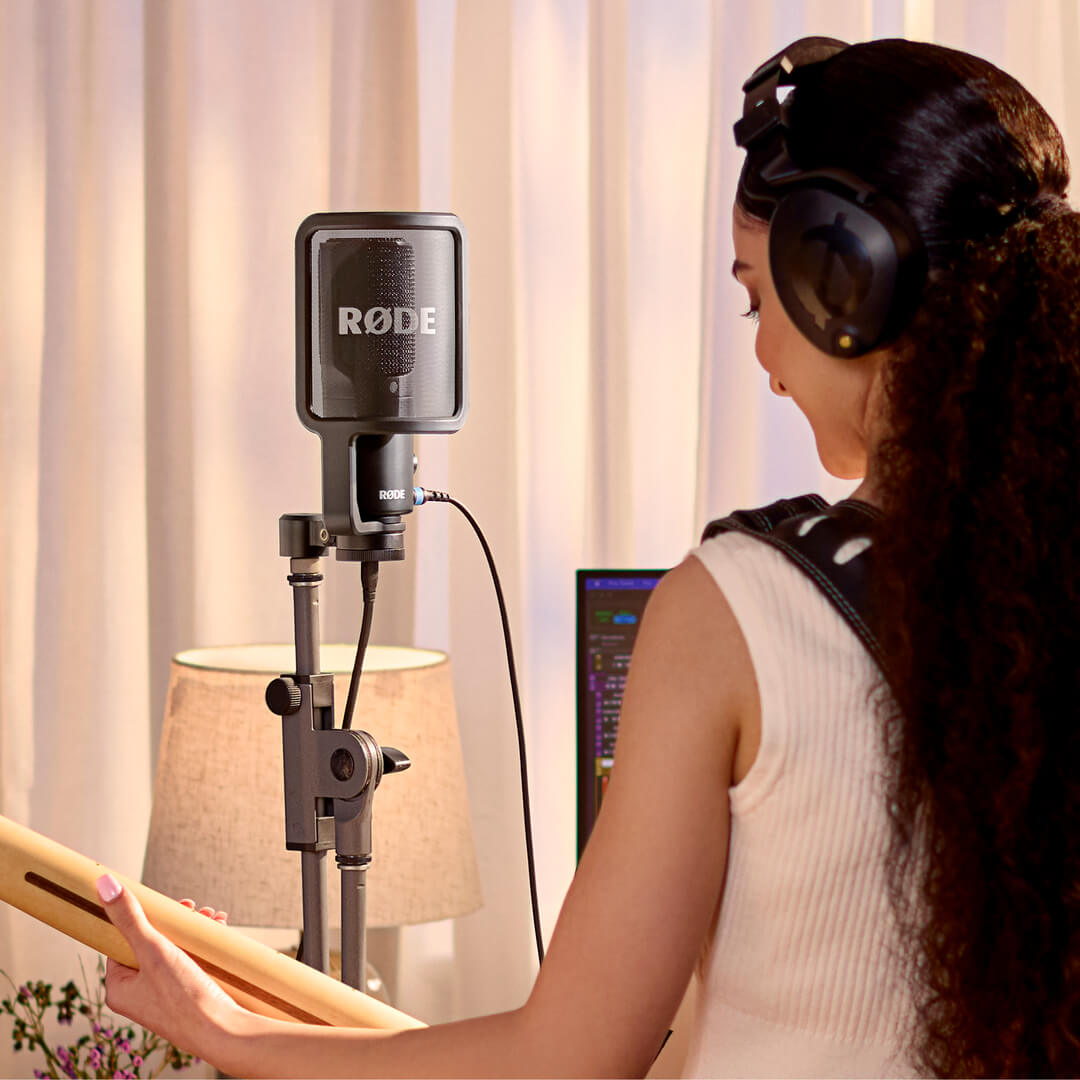
Rode NT-USB+
8.6 / 10
Voiceover artists and acoustic singer/songwriters in a treated room
$169
Read reviewHow the top 5 compare
| Microphone | Price | Connection | GearPilot | Best for |
|---|---|---|---|---|
| Focusrite Scarlett Solo (4th Gen) | $139 | XLR | 9.0/10 | Anyone moving from USB to XLR mics for the first time |
| Rode NT1 5th Gen | $259 | USB/XLR | 8.6/10 | Podcasters seeking simplicity |
| Rode NT-USB+ | $169 | USB | 8.6/10 | Voiceover artists and acoustic singer/songwriters in a treated room |
| Shure MV7+ | $279 | USB/XLR | 8.6/10 | Podcasters in untreated rooms who want SM7B-style sound without a separate interface |
| Audio-Technica AT2040 | $99 | XLR | 8.4/10 | Podcasters in untreated rooms |
Ranked via the GearPilot methodology. Scores are computed, not editorial.
Best by use case
- Best overall: Focusrite Scarlett Solo (4th Gen)
- Best budget: Audio-Technica AT2040
All microphones in this category
Head-to-head comparisons
Alternatives roundups
Frequently Asked Questions
What microphone is best for voice over?
In a treated room, a large-diaphragm condenser for maximum detail; in an untreated room, a dynamic mic for clean, noise-free reads. Your acoustics decide more than the model.
Do I need a condenser for voice over?
Not necessarily. Condensers excel in treated rooms, but many professional voice actors use dynamics precisely because they reject untreated-room noise.
How do I get a professional voice-over sound at home?
Control the room first — soft furnishings or a portable booth — then use a cardioid mic close up with a pop filter, and record with headroom for editing.
USB or XLR for voice over?
USB is fine for narration and e-learning. XLR with an interface offers more control and is preferred for professional or client work.
What else do I need for voice-over recording?
A pop filter, a stable stand or boom arm, headphones for monitoring, and — most importantly — a quiet, acoustically controlled space.