
Best Condenser Microphones
Condenser microphones capture more detail and a wider frequency range than dynamics, which makes them the choice for vocals, voice-over and any source recorded in a quiet, treated room. That sensitivity is a double-edged sword: in a noisy space they will pick up everything, so they reward acoustic treatment.
Condensers are a branch of our best microphones hub. If your room is untreated, compare them with dynamic microphones, which reject noise better, and see our voice-over microphones guide for spoken-word picks. The Microphone Finder can match one to your room.
How to choose a Condenser microphone
- Pick condenser only if your room is quiet and reasonably treated — they capture everything, including noise.
- Condensers need phantom power; a USB condenser supplies its own, an XLR one needs an interface.
- Look for a cardioid pattern to reject some room sound if your space is not fully treated.
- Pair with a pop filter — condensers are sensitive to plosives and breath.
Top 3 picks
SteelSeries Alias Pro
8.7 / 10
Professional podcasters
$330
Read review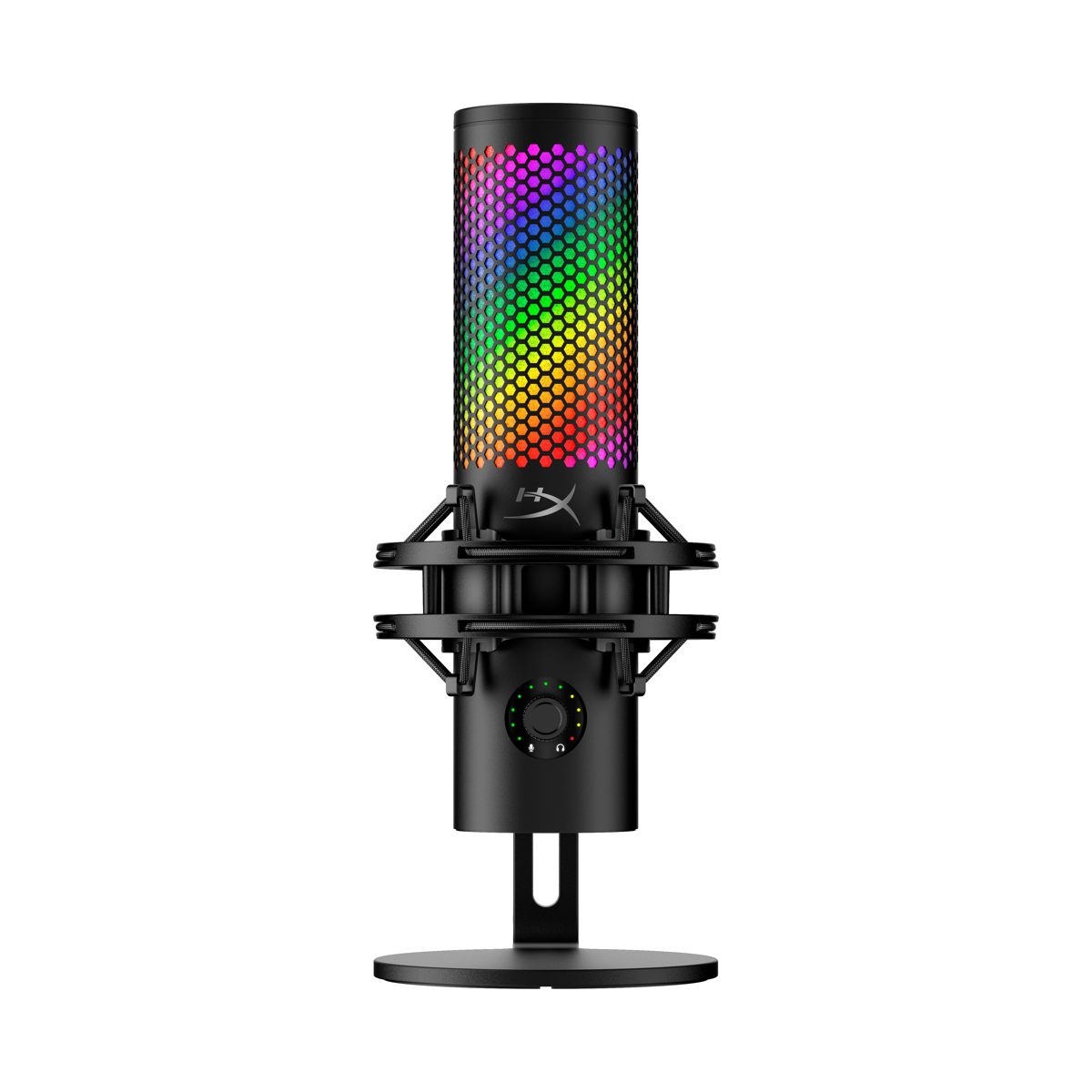
HyperX QuadCast 2 S
8.7 / 10
Streamers who want a visually striking mic with the most customizable RGB in its class
$199
Read reviewRode NT1 5th Gen
8.6 / 10
Podcasters seeking simplicity
$259
Read reviewHow the top 5 compare
| Microphone | Price | Connection | GearPilot | Best for |
|---|---|---|---|---|
| SteelSeries Alias Pro | $330 | XLR | 8.7/10 | Professional podcasters |
| HyperX QuadCast 2 S | $199 | USB | 8.7/10 | Streamers who want a visually striking mic with the most customizable RGB in its class |
| Rode NT1 5th Gen | $259 | USB/XLR | 8.6/10 | Podcasters seeking simplicity |
| Rode NT-USB+ | $169 | USB | 8.6/10 | Voiceover artists and acoustic singer/songwriters in a treated room |
| Blue Yeti | $109 | USB | 8.6/10 | Beginner streamers who want one mic that handles voice + room interviews |
Ranked via the GearPilot methodology. Scores are computed, not editorial.
Best by use case
- SteelSeries Alias Pro: Professional podcasters
- HyperX QuadCast 2 S: Streamers who want a visually striking mic with the most customizable RGB in its class
- Rode NT1 5th Gen: Podcasters seeking simplicity
- Rode NT-USB+: Voiceover artists and acoustic singer/songwriters in a treated room
- Blue Yeti: Beginner streamers who want one mic that handles voice + room interviews
All microphones in this category
Head-to-head comparisons
Alternatives roundups
Frequently Asked Questions
What is a condenser microphone best for?
Detailed vocal, voice-over and instrument recording in a quiet, treated room, where its extra sensitivity and frequency range are an advantage rather than a liability.
Do condenser microphones need phantom power?
Yes. XLR condensers need 48V phantom power from an interface or mixer; USB condensers supply their own power over the cable.
Are condenser mics good for untreated rooms?
Generally no. Their sensitivity picks up room echo and background noise. A dynamic mic is the safer choice in untreated spaces.
Why is my condenser picking up so much noise?
Condensers are highly sensitive. Add acoustic treatment, move closer, use a cardioid pattern, or switch to a dynamic mic in noisy rooms.
USB or XLR condenser?
USB condensers are plug-and-play and self-powered. XLR condensers need an interface but integrate into a larger studio and often sound more refined.